Roof Replacement
A New Roof, Done in the Right Order
Complete tear-off and re-roof systems for South Florida homes — permitted, inspected and built to the Florida Building Code.
- Shingle
- Tile
- Metal
- Permit handled
Before You Replace
A roof replacement is a sequence, not a single step
A new roof is only as good as the layers you never see: the deck it is fastened to, the underlayment that keeps water out, the flashing at every wall and valley, and the way the whole system is attached to resist wind. Cutting corners on any one of these shows up later as leaks or premature wear.
Our replacements follow a clear order — permit, tear-off, deck inspection, dry-in, installation and final inspection — and we explain each stage before it happens. You will know what is being done to your home and why.
If you are not sure your roof needs replacing yet, a roof inspection or targeted roof repair may be the better first step. We will tell you honestly which makes sense.
The Process
Six stages of a full roof replacement
- 1
Permit & preparation
We submit the building permit, confirm material selections and schedule delivery. Before work starts, we protect landscaping, pools and entryways.
- 2
Tear-off
The old roofing and underlayment are removed down to the deck, one manageable section at a time, with debris going directly into a dumpster.
- 3
Deck inspection
With the deck exposed, we check for rot, delamination and loose sheathing, and re-nail to code. Any replacement boards are documented with photos.
- 4
Dry-in & underlayment
Underlayment goes down to seal the deck. This is the layer that keeps your home dry — and on a tile roof, it does most of the waterproofing.
- 5
Installation
Flashing, drip edge, vents and the finished roof material are installed according to the manufacturer’s instructions and the code requirements for your area.
- 6
Final inspection & cleanup
The building department completes its final inspection. We run magnetic sweeps for nails, clean up and walk the property with you.
Choosing a Material
Shingle vs. tile vs. metal
A qualitative look at how the three most common South Florida roof types compare.
| Feature | Architectural Shingle | Concrete / Clay Tile | Standing-Seam Metal |
|---|---|---|---|
| Look | Classic, textured, many colors | Mediterranean and Spanish-style character | Clean, modern lines; traditional profiles available |
| Weight | Light | Heavy — framing must be evaluated | Light |
| Wind considerations | Depends on product rating and correct nailing pattern | Depends on attachment method (adhesive or mechanical) and underlayment | Depends on panel system, clips and fastening schedule |
| Maintenance | Watch for lifted tabs and granule loss | Replace cracked tiles; underlayment ages beneath | Check fasteners, sealants and coatings, especially near salt air |
| Typical use | Most common choice; budget-friendly | Common in many South Florida neighborhoods and HOAs | Homes wanting a reflective, modern roof |
Performance depends on the specific product, installation and your home’s conditions. We will recommend options after seeing your roof.
Finished Looks
What a new roof can do for a home

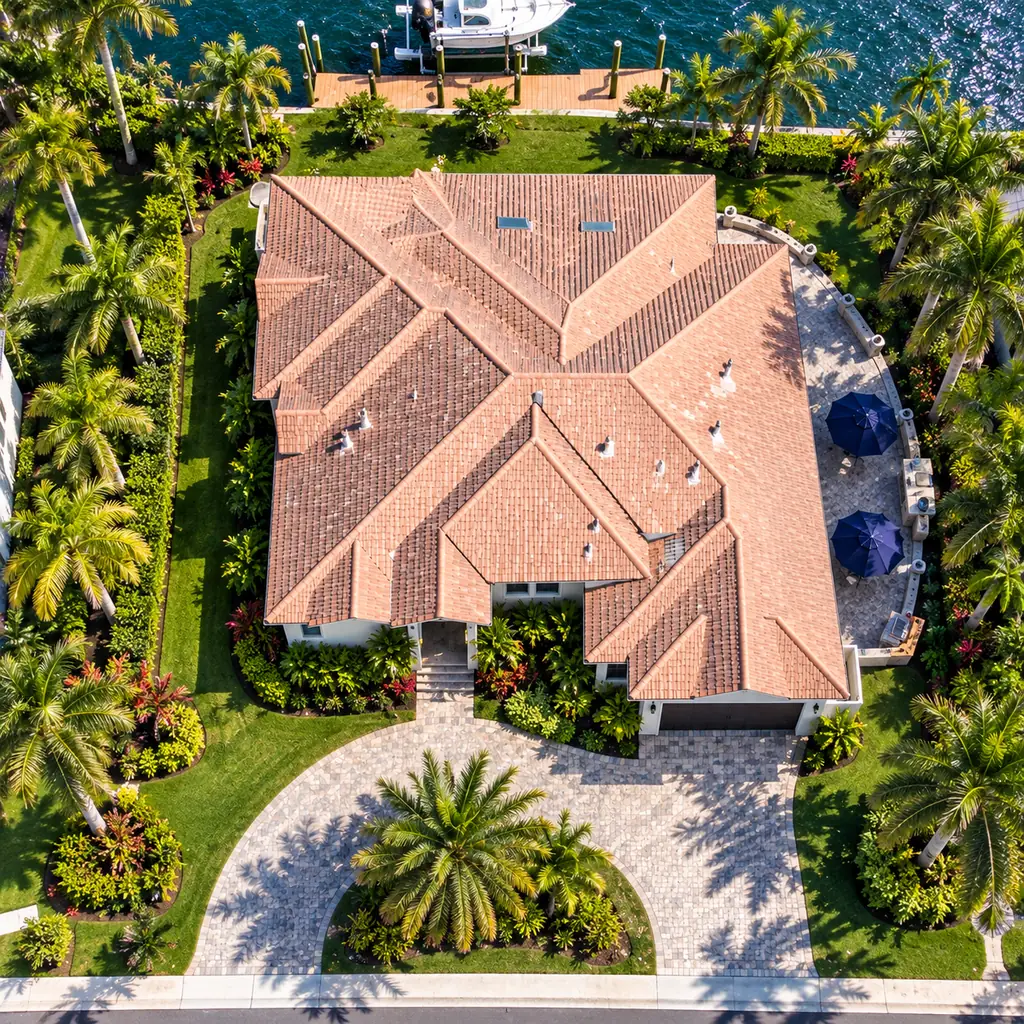

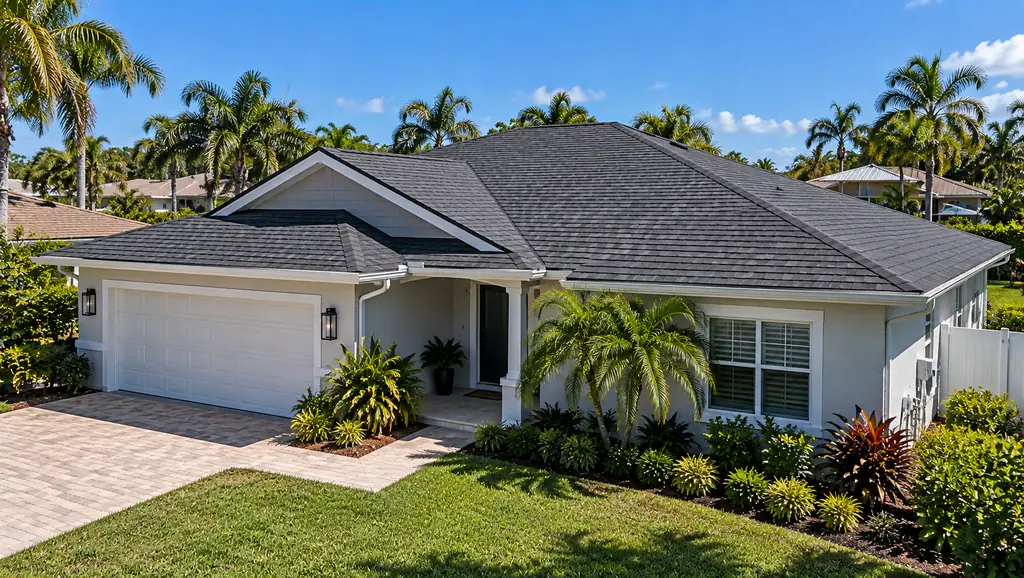
Illustrative images — not photographs of completed Elite Tech Roofing projects.
Permits & Code
Built to the Florida Building Code
Florida has some of the most demanding roofing requirements in the country. Reroofing generally requires a building permit, and the work is inspected by your local building department. Requirements also vary by location: Broward and Miami-Dade counties are part of the High-Velocity Hurricane Zone (HVHZ), with stricter product approvals and installation rules. Palm Beach County is not in the HVHZ, but it is still a high-wind region with its own design requirements.
We handle the permit paperwork, schedule inspections at the right stages, and install to the code that applies to your address. Want to check whether we work in your city? See our service areas.
- Permit application handled
- Inspections coordinated
- Installation to applicable code
FAQ
Roof Replacement Questions
Have a question that isn't answered here?
Call (954) 716-2216Do you replace aluminum pan roofs over patios and additions?
Yes. We replace old aluminum pan roofs with new insulated aluminum roof panels, with plans, permit, and city inspections included. See our services page for details, or request a free estimate.
Do you offer financing for a roof replacement?
Yes. Financing is available, so a new roof can fit your budget. Ask us about current options when we provide your free written estimate.
How long does a roof replacement take?
It depends on the size and complexity of the roof, the material, weather and permit inspection scheduling. A straightforward shingle roof moves faster than a large tile or metal roof. We give you a realistic schedule in your proposal and keep you updated if rain changes the plan.
What happens if rain comes during the project?
Rain is part of life in South Florida, especially in summer. We tear off only as much as can be dried-in the same day, watch the forecast closely and keep the roof protected with underlayment so the house stays dry between work days.
What if the roof decking is damaged under the old roof?
Some deck damage cannot be seen until the old roof is removed. We inspect the deck after tear-off, show you photos of any rotted or damaged sheathing, and explain the replacement cost before proceeding with that portion of the work.
Do I need a permit for a roof replacement?
Yes. Reroofing in Florida generally requires a building permit and inspections. We handle the permit application and coordinate the inspections required by your local building department.
Will a new roof affect my homeowners insurance?
It can, but that is between you and your insurance company. Many homeowners ask a qualified inspector to complete a wind mitigation inspection after a new roof, since insurers may consider those features. Contact your insurer or agent for specifics on your policy.
Can I change roof materials when I replace?
Usually. Going from shingle to metal is typically straightforward. Going to tile adds significant weight, so the framing must be evaluated first. HOA approval may also be required for material or color changes.

Plan Your New Roof
Get a clear, written replacement proposal
We will inspect your roof, review material options with you and lay out every stage in writing — free and with no obligation.