Ceiling or wall stains
Brown rings or bubbling paint are often the first indoor sign that water is getting past the roof.
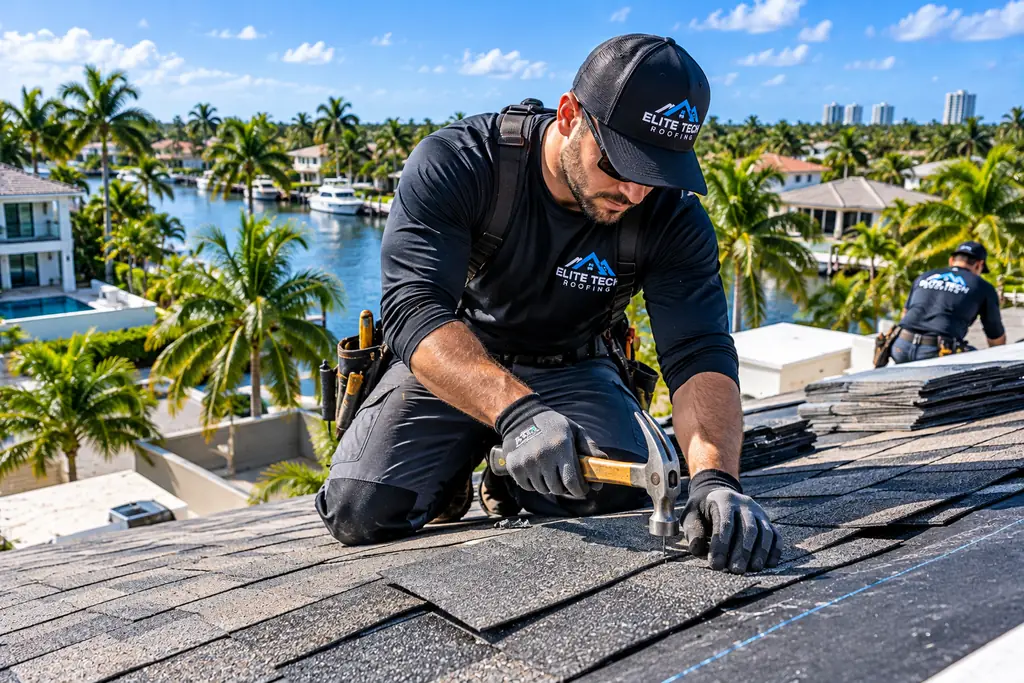
Roof Repair
We trace roof problems to their source and repair them properly — so you are not calling about the same stain again next rainy season.
Warning Signs
Some roof problems are obvious. Others are quiet until the next heavy afternoon storm.
Brown rings or bubbling paint are often the first indoor sign that water is getting past the roof.
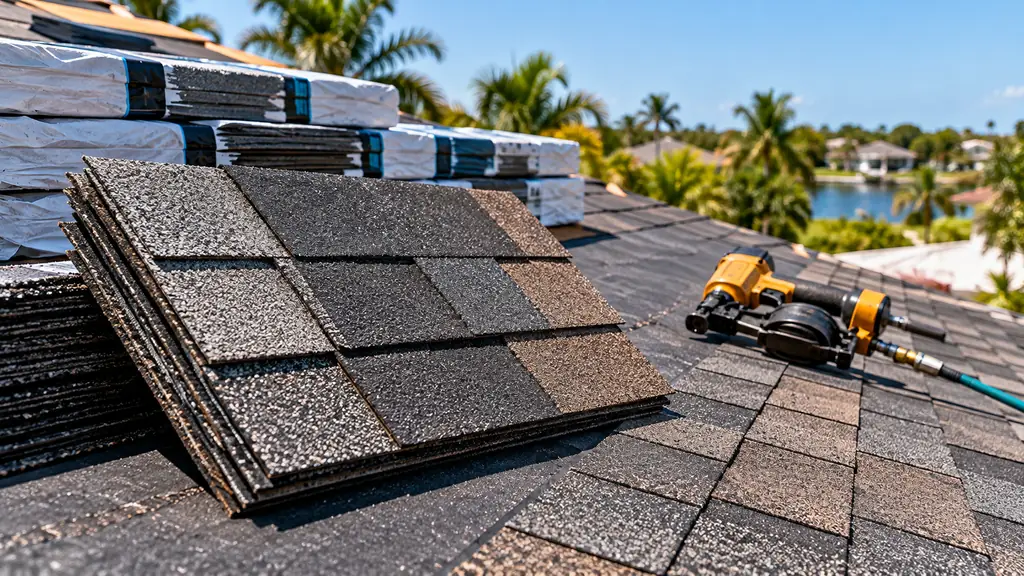
Heavy granule loss on shingles means the protective surface is wearing thin and UV is reaching the asphalt.
Wet insulation, dark spots on decking or a musty smell point to a leak or a ventilation problem.
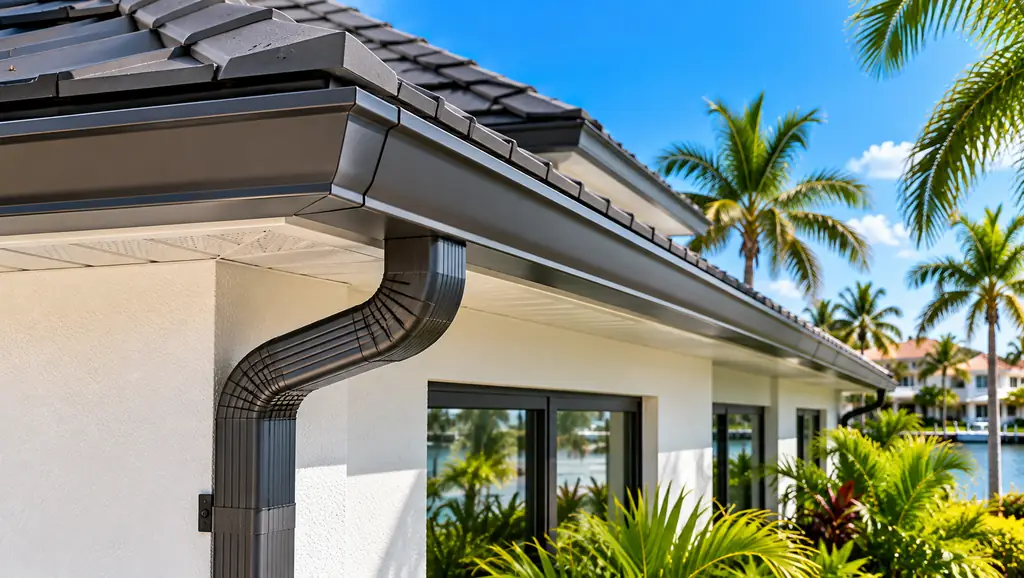
On metal roofs and flashing, rust or backed-out screws can open small paths for water — common near the coast.
Common Problems
Heat, UV, salt air and heavy rain each wear a roof down in their own way.
Strong gusts can break the seal strip on shingles and lift or tear them away, exposing the underlayment below.
Tiles can crack from impact or foot traffic and slip out of place, letting water reach the underlayment more directly.
Flashing at walls, chimneys, skylights and valleys is a frequent leak point as sealants dry out and metal corrodes.
Clogged drains and low spots hold water after summer storms, stressing seams and membrane surfaces.
Under tile especially, aging underlayment can let water through even when the tiles above look fine.
Rubber collars around plumbing vents crack in the sun, creating small but persistent leaks.
Our Repair Process
Call or send a message with what you have noticed. Photos taken safely from the ground or inside help us prepare.
We inspect the roof surface and, where accessible, the attic to find where water is actually getting in — not just where it shows up.
You receive a clear, written description of the problem and the proposed repair, with photos, before any work begins.
We repair the affected area with materials suited to your roof and secure the surrounding area so the fix holds.
We share after photos and point out anything else worth watching, so you know where your roof stands.
Wet shingles, tile and metal are slippery, and damaged decking may not hold your weight. Do not climb up to check or tarp a roof yourself. Take photos from the ground or from a window, move belongings away from leaks, and call a roofer.
Repair or Replace?
Not every leak means a new roof. When damage is isolated and the roof has useful life left, a well-done repair is the practical choice, and we will tell you that. When problems are widespread — many brittle shingles, failing underlayment across a tile roof, repeated leaks in different spots — repairs start to cost more than they save.
In those cases we will show you what we found and talk through roof replacement without pressure. If you just want a full picture first, schedule a roof inspection.
FAQ
Often, yes. If the damage is limited to one area and the rest of the roof is in reasonable shape, a repair is usually the sensible choice. Florida also updated its rules in 2022 so that roofs built to the 2007 Florida Building Code or later can generally have the damaged portion repaired to current code without requiring a full replacement. Ask us how it applies to your roof.
Move valuables away from the drip, put a bucket or towels down, and if the ceiling is bulging with water, keep people out from underneath it. Take photos from inside and from the ground outside, then call us. Please do not climb onto the roof yourself.
We try to. Many shingle colors and tile profiles are still available, but older or discontinued products can be hard to match exactly, and new material may look slightly different until it weathers. We will tell you upfront how close a match we expect.
Water travels. It can run along the underlayment, rafters or the top of the ceiling drywall before it drips, so the stain is often several feet from the actual entry point. That is why we trace leaks from the roof and attic, not just the ceiling.
Yes. Even slow leaks can soak insulation, rot decking and encourage mold, especially in South Florida humidity. Repairing it early is almost always simpler than dealing with what a leak leaves behind.
Yes. We repair low-slope roofs on homes and commercial buildings, including open seams, blisters, flashing failures and areas affected by ponding water. See our commercial roofing page for more on flat roof systems.
Roof Leak?
Call us or request a visit. We will assess the problem and explain the repair before any work starts.
Enter your info below and our team will reply by text message.
We'll text you back at the number you provided shortly.